How AI Is Changing Our Business—and Shaping Our Next Stage of Agricultural Development
At Climate Light, our experience with AI has developed from helping us produce website content into changing how we organise work, support customers and apply horticultural knowledge.
The most significant result so far is a 62% reduction in the time spent on administrative tasks. That is creating more time for practical horticulture, improving the economics of our services and helping us develop a wider agricultural forecasting and crop management system.
From content production to everyday operations
Our journey began in 2021, when AI-supported tools helped us increase the amount of content we could produce for our websites. This contributed to a dramatic increase in traffic and showed us how technology could expand the reach of a relatively small team.
That was an important starting point. Today, the focus has moved towards integrating AI into the everyday work of the business.
We now use technology from OpenAI and Anthropic, alongside our own bespoke AI software platform built around these systems. Our development work connects these capabilities with our specialist knowledge, data and working processes.
This has helped us reduce the time required for invoicing, collecting and organising data, updating systems such as Monday.com, and producing reports. Across these administrative tasks, we have achieved a 62% reduction in the time involved.
For a business built around specialist knowledge, that matters. Every hour saved on administration creates more opportunity to work with customers, assess gardens and develop practical solutions.
Bringing AI into garden design
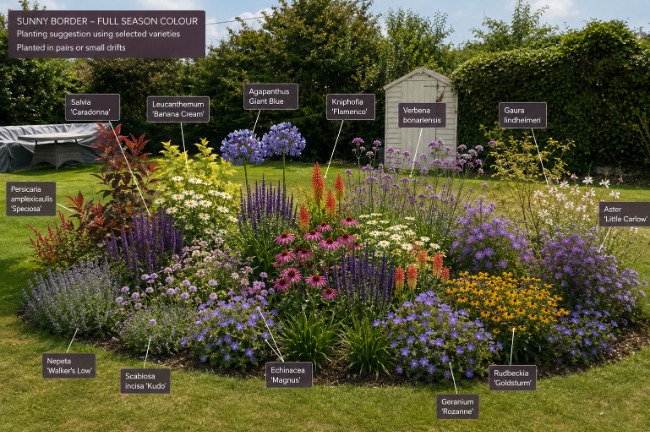
More recently, we have extended this approach into garden design through Elena, our specialist AI gardening assistant, and our online GardenAdvice Garden Border Designer.
Customers and are employees can use a photograph of an existing border or an area they want to develop, describe their preferred style and colours, and suggest plants they would like to include. The system helps turn those ideas into a visual design, with plant suggestions and the option to develop a planting list and an approximate planting plan.
This reduces the time spent preparing and revising initial ideas. It also gives customers a clearer starting point for discussing their plans with a horticulturist.
Try the GardenAdvice Garden Border Designer: https://gardenadvice.co.uk/mygardenteam-demo/
Connecting advice with local conditions
Our latest project takes the Elena AI platform further by combining our horticultural knowledge with third-party data, including weather, climate and light levels.
Through GardenAdvice, we are developing this approach to provide MyGardenTeam members with advice that reflects the conditions affecting their own gardens.
Applications include identifying suitable crop-sowing windows, assessing conditions associated with pests and diseases, and helping members time seasonal work more effectively.
The aim is to make recommendations more responsive to local conditions. A calendar can suggest when a task is usually carried out; combining that knowledge with current conditions can help assess whether the timing is suitable in a particular garden.
The reliability of these recommendations depends on the quality of the underlying data and continued checking against practical results. Our trained horticulturists remain central to that process.
Creating room for better pay
One of the most valuable effects has been the opportunity to raise salaries for our horticulturists.
Horticulture has traditionally been a relatively low-paid sector, despite the knowledge and practical skill it requires. Reducing administrative work improves how much of our team’s time can be spent delivering that expertise.
For us, this is an important measure of AI’s value: helping the business support better pay while giving trained and trainee horticulturists more time for practical work, learning and customer support.
Building towards agricultural forecasting
These developments provide the foundation for our next stage: adapting the system into a valuable agricultural forecasting and crop management platform.
The work completed so far brings together several essential elements—specialist knowledge, environmental data, practical observations and tools that turn information into recommendations.
Our next challenge is to develop and validate these capabilities for agricultural use, where decisions about sowing, crop management and pest control must account for changing conditions and the consequences of getting the timing wrong.
Our experience so far shows that AI can make a measurable difference to the operation of a specialist business. The next opportunity is to build on those gains and help growers make better-informed decisions in the field.